-
Shop
- Advanced Technologies
- AI Skills Mastery 2026 Collection
- Apple Accessories
- Arts, Crafts & Hobbies
- Astrology, Tarot, Crystals & More
- Baby Showers & Gender Reveals
- Balanced Living
- Bathroom
- Beauty & Skincare
- Best-Sellers
- Birthday Celebrations
- Bridal Style & Beauty
- Calvin Klein
- Car Accessories
- Celebrations & Event Planning
- Dating & Social Confidence
- Dating & Social Skills
- Digital Resources
- Education & Learning
- Everyday Wellness
- Family & Parenting
- Fashion
- Fashion Accessories
- Find Your Path Collection
- Fitness & Movement
- Fitness Nutrition & Meal Prep
- Furniture
- Gadgets
- Gift Guides
- Halloween
- Health & Beauty
- Health & Wellness
- Healthy Lifestyle
- Holiday & Seasonal Celebrations
- Home & Garden
- Home & Kitchen
- Home Decor
- Home Electronics
- Home Supplies
- Home Workouts
- Kids & Babies
- Kitchen
- Lighting
- Men's Wellness & Lifestyle
- Nike
- Online Business
- Online Business for Beginners
- Online Content Creation & Platform Growth
- Outdoor & Active Lifestyle
- Party Planning & Entertaining
- Patio, Lawn & Garden
- Personal Growth
- Pet Care
- Pet Supplies
- Pets
- Relationships & Social Confidence
- Rest & Relaxation
- Self-Care & Personal Rituals
- Shoes
- Smart Life with IA
- Smart Shopping
- Sport & Outdoors
- Style & Fashion
- Super Deals
- Travel
- Travel & Adventure
- Wealth
- Wellness
- Popular
- Best deals
Choosing the Right Moisturizer for Your Skin Type
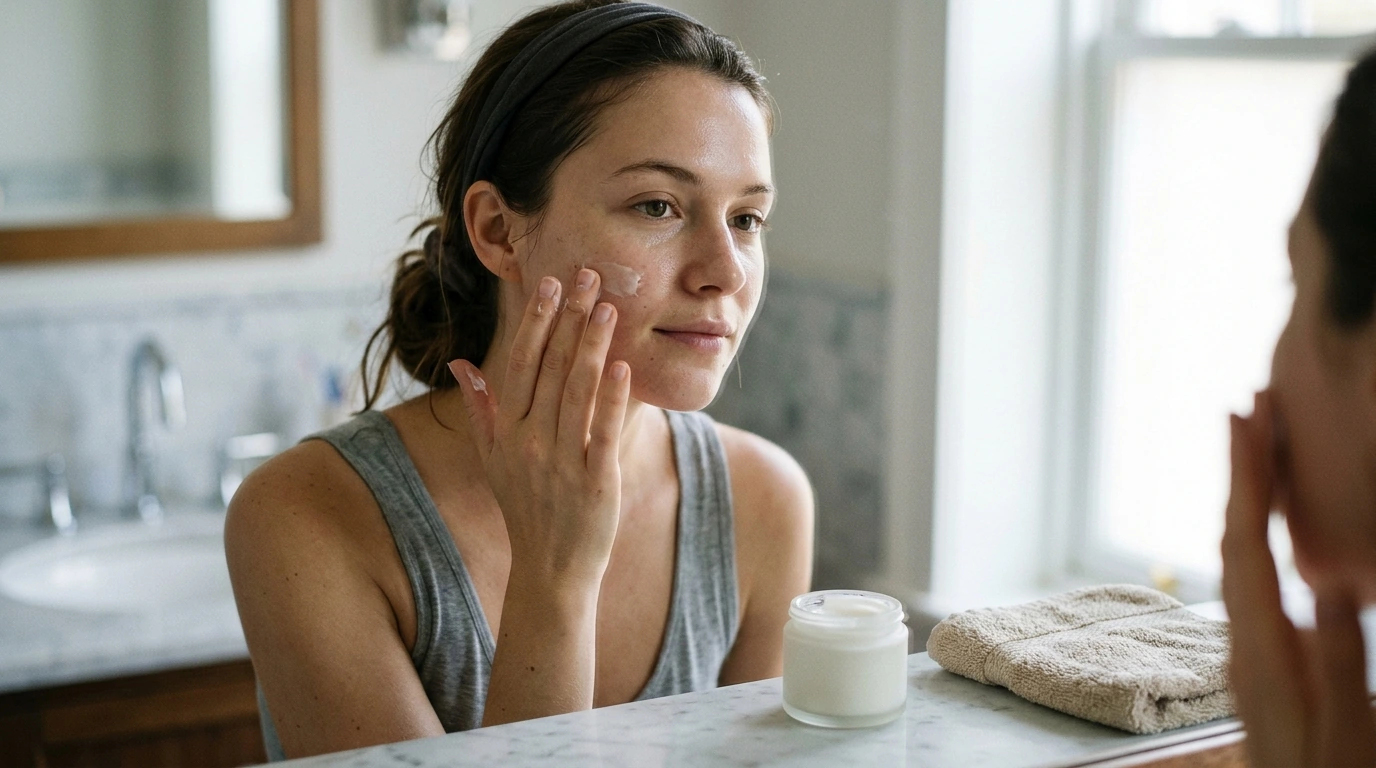
Choosing a moisturizer starts with a simple question: What does your skin need to feel comfortable? The best match is not necessarily the thickest cream or the longest ingredient list. Texture, ingredients, and your daily routine all matter.
Our guide, Choosing the Right Moisturizer for Your Skin, offers another option if you want more help navigating your choices. Start with the practical steps below to narrow down what may work for you.
Start With How Your Skin Feels
To get a sense of your skin type, wash your face with a gentle cleanser and leave it bare for a short while. Notice whether it feels tight, looks shiny, or feels comfortable. Your observations are a starting point, not a permanent label.
- Dry skin may feel tight or rough and can develop visible flakes.
- Oily skin often looks shiny, especially across the forehead, nose, and chin.
- Combination skin may be oily in some areas and dry or comfortable in others.
- Sensitive skin may sting, burn, or become visibly irritated in response to products or environmental changes.
Skin can also be both oily and sensitive, or dry and sensitive. Cold weather, indoor heating, changes in your routine, and age can all affect what feels comfortable. You may want a richer moisturizer in winter and a lighter one in humid weather.
| Skin type | Texture to consider | What to look for |
|---|---|---|
| Dry | Cream or ointment | Glycerin, ceramides, or petrolatum |
| Oily | Lightweight lotion or gel | Oil-free or noncomedogenic labeling |
| Combination | Lightweight lotion | A texture that hydrates without feeling heavy |
| Sensitive | Fragrance-free cream or lotion | A simple formula with fewer potential irritants |
These are starting points rather than strict rules. For example, if your cheeks feel dry but your forehead gets shiny, you might apply a light lotion everywhere and use a little more on your cheeks. Give a texture a fair try, then adjust if your skin still feels uncomfortable or the product feels too heavy.
Understand What Moisturizer Ingredients Do
Moisturizers often combine ingredients that work in different ways. Knowing a few basic terms can make a label easier to read:
- Humectants, such as glycerin, attract water and help hydrate the outer layer of skin.
- Emollients help soften and smooth skin, improving the feel of rough or dry areas.
- Occlusives, such as petrolatum, help reduce water loss by forming a protective layer on the skin.
Ceramides are another useful ingredient to recognize: They are lipids that help support the skin barrier. A moisturizer can contain several of these ingredient types, so you do not have to choose just one approach.
If your skin is prone to irritation, consider a fragrance-free formula with a relatively simple ingredient list. “Unscented” is not necessarily the same as fragrance-free, so look for the latter wording. You can find more general selection advice in the American Academy of Dermatology’s moisturizer FAQs.
Make Your Moisturizer Work in Your Routine
Apply moisturizer after cleansing, while your skin is still slightly damp. This helps hold on to moisture without requiring a complicated routine. Smooth on enough to cover your skin comfortably; a thick layer is not automatically better, especially if you prefer a light feel.
During the day, use a separate broad-spectrum sunscreen with SPF 30 or higher if your moisturizer does not provide adequate protection. Apply sunscreen as directed and reapply as needed, particularly after swimming or sweating. The American Academy of Dermatology’s sunscreen guidance explains more about sun protection.
When trying a new moisturizer, introduce it gradually rather than changing several products at once. You can test it on a small area first and watch for a reaction before applying it more widely. Stop using it if irritation develops. If the reaction is severe or does not settle, consult a dermatologist.
Pay attention to how your skin feels throughout the day, not just immediately after application. Persistent tightness may mean you need a richer texture, while a greasy feel may make a lighter lotion or gel more appealing. If you have a skin condition or ongoing discomfort, a dermatologist can help you choose a routine suited to your needs.
Explore More Help With Moisturizer Selection
Our Choosing the Right Moisturizer for Your Skin guide is available for $26.99. If you would like more guidance as you compare textures and ingredients, we invite you to explore it.
For a companion read on skin care and nutrition, our vitamin-rich foods for skin repair guide is another option. Nutrition is one part of overall skin health, but it does not replace moisturizer, sun protection, or medical care when you need it.
FAQ
Can oily skin benefit from moisturizer?
Yes. Oily skin can still need hydration, so consider a lightweight, oil-free or noncomedogenic lotion or gel.
How often should I apply moisturizer?
Apply moisturizer after cleansing and as needed when your skin feels dry. Adjust the frequency to suit your skin and the product you use.
What should I do if a moisturizer irritates my skin?
Stop using it, and consult a dermatologist if the irritation is severe or persists. When choosing a replacement, consider a fragrance-free formula.
Recommended for you

Light Luxury Wall-Mounted Toilet Brush Set Guide
Nov 8, 2026


Leave a comment