-
Shop
- Advanced Technologies
- AI Skills Mastery 2026 Collection
- Apple Accessories
- Arts, Crafts & Hobbies
- Astrology, Tarot, Crystals & More
- Baby Showers & Gender Reveals
- Balanced Living
- Bathroom
- Beauty & Skincare
- Best-Sellers
- Birthday Celebrations
- Bridal Style & Beauty
- Calvin Klein
- Car Accessories
- Celebrations & Event Planning
- Dating & Social Confidence
- Dating & Social Skills
- Digital Resources
- Education & Learning
- Everyday Wellness
- Family & Parenting
- Fashion
- Fashion Accessories
- Find Your Path Collection
- Fitness & Movement
- Fitness Nutrition & Meal Prep
- Furniture
- Gadgets
- Gift Guides
- Halloween
- Health & Beauty
- Health & Wellness
- Healthy Lifestyle
- Holiday & Seasonal Celebrations
- Home & Garden
- Home & Kitchen
- Home Decor
- Home Electronics
- Home Supplies
- Home Workouts
- Kids & Babies
- Kitchen
- Lighting
- Men's Wellness & Lifestyle
- Nike
- Online Business
- Online Business for Beginners
- Online Content Creation & Platform Growth
- Outdoor & Active Lifestyle
- Party Planning & Entertaining
- Patio, Lawn & Garden
- Personal Growth
- Pet Care
- Pet Supplies
- Pets
- Relationships & Social Confidence
- Rest & Relaxation
- Self-Care & Personal Rituals
- Shoes
- Smart Life with IA
- Smart Shopping
- Sport & Outdoors
- Style & Fashion
- Super Deals
- Travel
- Travel & Adventure
- Wealth
- Wellness
- Popular
- Best deals
Low-Calorie Eating That Satisfies: A No-Stress Guide
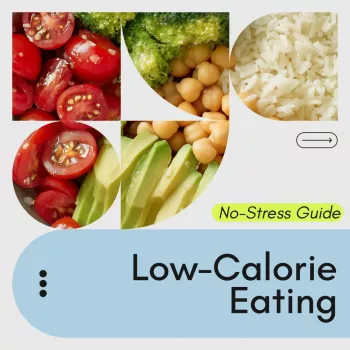
Eating with weight wellness in mind does not have to mean complicated meal plans or meals that leave you hungry. A little structure can make everyday choices easier while leaving room for the foods you enjoy.
Our No-Stress Guide to Low-Calorie Eating That Actually Satisfies offers a printable checklist to bring more simplicity to your routine. At $5.99, it is a planning aid you can return to when you want a calmer place to start.
Make Room for Meals You Enjoy
A satisfying approach to eating is not built on a list of foods you must avoid. It starts with meals that suit your tastes, schedule, and needs. When you enjoy what you eat, it can be easier to maintain habits over time without feeling that every meal is a test of willpower.
Calorie needs vary with age, activity, health, and many other factors. A meal that works well for someone else may not be enough for you, and your own needs can change from day to day. Rather than following strict rules, consider how different meals affect your energy and satisfaction.
Our printable checklist can support that process as a simple reference, not a prescription. Use it alongside your own preferences and any guidance you receive from a healthcare professional.
Build a Satisfying Plate
One flexible way to plan a meal is to combine vegetables or fruit, a protein source, a filling carbohydrate, and some fat. These components can add variety, flavor, and texture. Protein and fiber-rich foods may also help make a meal more satisfying.
You do not need to include every component in exactly the same way at every meal. Breakfast might be oatmeal with berries and nuts, while lunch could be a bean and vegetable rice bowl. Choose amounts that suit your appetite and needs.
| Meal component | Examples | How to use it |
|---|---|---|
| Vegetables or fruit | Spinach, peppers, berries | Add color and variety |
| Protein | Beans, eggs, fish, tofu | Include a source with meals |
| Filling carbohydrate | Oats, brown rice, potatoes | Choose an amount that suits your needs |
| Fat | Olive oil, nuts, avocado | Add flavor and texture |
These ideas are starting points, not a required formula. Frozen vegetables, canned beans, and other convenient foods can be useful when you have less time. Seasonings, sauces, and familiar flavors also matter: a meal you look forward to eating deserves a place in your plan.
For more general guidance on building a varied eating pattern, explore MyPlate and the CDC’s resource on healthy eating for a healthy weight.
Use a Checklist to Simplify Meal Planning
Planning does not have to mean preparing every meal in advance. You might start by looking at your schedule and choosing a few meals that fit the time you have. Keep the printable checklist nearby as a reference while you consider meals or make a shopping list.
Next, choose a handful of versatile ingredients you enjoy. You can use beans and vegetables in a rice bowl one day, then tuck them into a wrap another day. Change the seasoning or add a favorite sauce to give the ingredients a different feel without starting from scratch.
It can also help to keep a few easy options on hand for busy days. Eggs, oats, frozen produce, and canned beans are examples that can work in different combinations. Pick the foods that fit your budget, storage space, and preferences rather than trying to stock every possible ingredient.
Keep Healthy Habits Flexible
Regular meals can give your day a useful rhythm. Pay attention to hunger and fullness, and consider whether your meals are satisfying enough to support your activities. Enjoyable movement can also be part of your routine, whether that means walking, dancing, or another activity you like.
Some days your appetite may be greater, your schedule may change, or the meal you planned may no longer appeal to you. Adjusting is not a failure. A flexible routine gives you room to respond to real life instead of treating every change as a setback.
For individualized advice, talk with a registered dietitian or healthcare professional. That support is especially important if you are managing a health condition or have a history of disordered eating.
A Simple Starting Point
Our team likes practical tools that make everyday decisions feel more manageable. The printable checklist in our No-Stress Guide to Low-Calorie Eating That Actually Satisfies can be a helpful reference as you plan meals and shop for ingredients. Start with a few combinations you enjoy, then adjust them as your week unfolds.
If you are also refreshing other parts of your self-care routine, you can explore our Choosing the Right Moisturizer for Your Skin guide.
FAQ
Can low-calorie meals be satisfying?
Yes. Combining protein, fiber-rich foods, and enjoyable flavors can help make meals satisfying, though individual needs and preferences vary.
How can a printable checklist help with meal planning?
It can serve as a convenient reference while you consider meals and make a shopping list, helping keep the planning process simple.
How many calories should I eat?
Calorie needs vary from person to person. A registered dietitian or healthcare professional can offer personalized guidance.
Recommended for you


Making Perfume Last Longer: A Simple Scent Routine
Nov 14, 2026
Let’s Fix This Together: Better Conversation Guide
Nov 15, 2026


Leave a comment