-
Shop
- Advanced Technologies
- AI Skills Mastery 2026 Collection
- Apple Accessories
- Arts, Crafts & Hobbies
- Astrology, Tarot, Crystals & More
- Baby Showers & Gender Reveals
- Balanced Living
- Bathroom
- Beauty & Skincare
- Best-Sellers
- Birthday Celebrations
- Bridal Style & Beauty
- Calvin Klein
- Car Accessories
- Celebrations & Event Planning
- Dating & Social Confidence
- Dating & Social Skills
- Digital Resources
- Education & Learning
- Everyday Wellness
- Family & Parenting
- Fashion
- Fashion Accessories
- Find Your Path Collection
- Fitness & Movement
- Fitness Nutrition & Meal Prep
- Furniture
- Gadgets
- Gift Guides
- Halloween
- Health & Beauty
- Health & Wellness
- Healthy Lifestyle
- Holiday & Seasonal Celebrations
- Home & Garden
- Home & Kitchen
- Home Decor
- Home Electronics
- Home Supplies
- Home Workouts
- Kids & Babies
- Kitchen
- Lighting
- Men's Wellness & Lifestyle
- Nike
- Online Business
- Online Business for Beginners
- Online Content Creation & Platform Growth
- Outdoor & Active Lifestyle
- Party Planning & Entertaining
- Patio, Lawn & Garden
- Personal Growth
- Pet Care
- Pet Supplies
- Pets
- Relationships & Social Confidence
- Rest & Relaxation
- Self-Care & Personal Rituals
- Shoes
- Smart Life with IA
- Smart Shopping
- Sport & Outdoors
- Style & Fashion
- Super Deals
- Travel
- Travel & Adventure
- Wealth
- Wellness
- Popular
- Best deals
Resistance Bands Training Playbook: Your Routine Guide
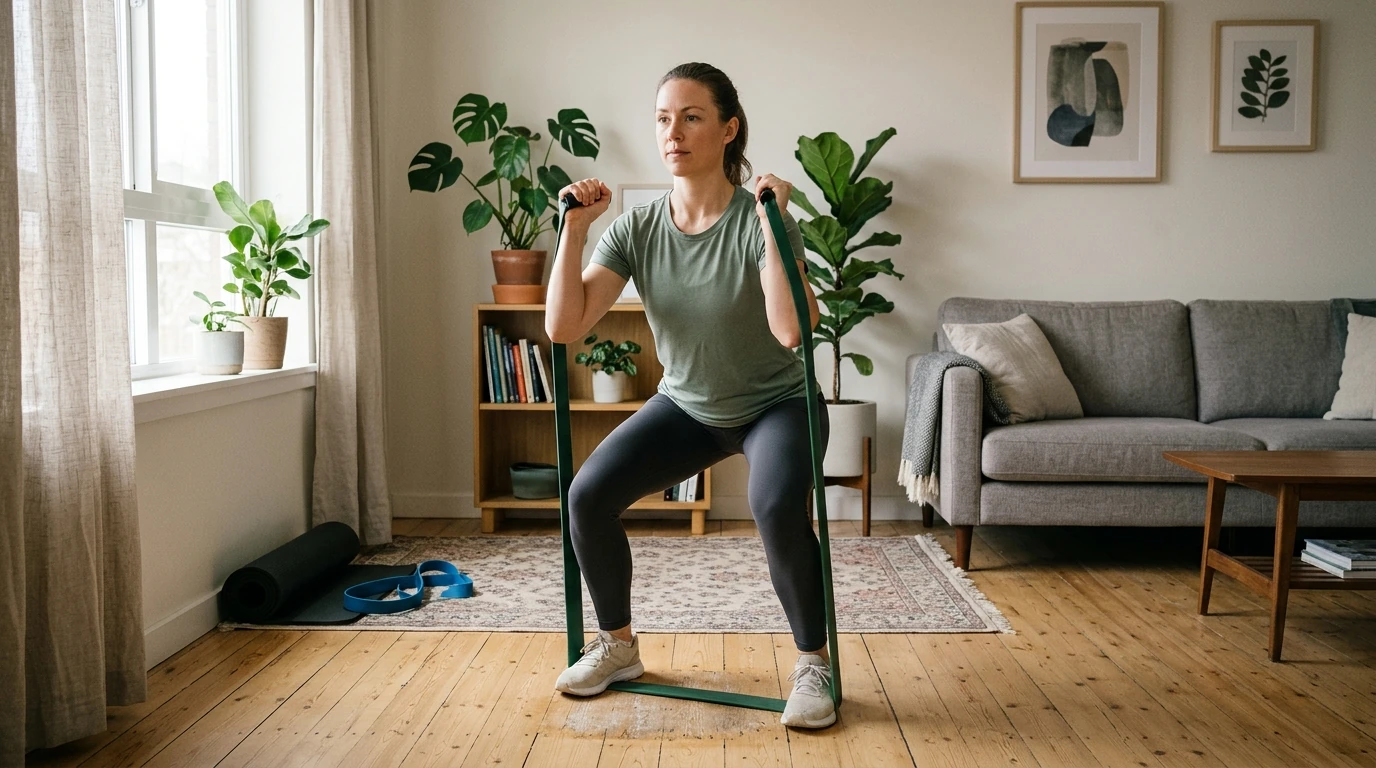
Resistance bands make it possible to build a strength routine without dedicating a room to bulky equipment. They are portable, adaptable, and useful for working major muscle groups in a compact space. The Resistance Bands Training Playbook is an affordable option if you want to give that training a more organized direction.
Our approach is simple: pick movements you can perform well, choose a schedule you can repeat, and build gradually. Consistency matters more than making every workout complicated.
Make Band Training Work for Your Schedule
A small clear area can be enough for many band exercises. You may need additional space or a suitable anchor for certain movements, but you do not need to set up a full gym. Keep your bands somewhere convenient so getting started takes less effort.
Choose training days that fit your week rather than planning around an ideal schedule you cannot maintain. Two full-body sessions can be a practical starting point. Leave recovery time between challenging sessions that work the same muscles, and adjust the length of each workout to your energy and experience.
The playbook is an option for bringing more structure to your routine. Whether you train before work or during a weekend break, a consistent plan can make it easier to decide when to exercise and notice how your training is going.
Build a Balanced Session
Begin with a brief warm-up, such as several minutes of easy marching, arm circles, and gentle bodyweight movements. Then choose exercises that work your legs, hips, chest, back, and shoulders. The example below is a starting point, not a list of exercises claimed to appear in the playbook.
| Movement | Focus | Starting point |
|---|---|---|
| Band squat | Legs and hips | 1–2 sets of 8–12 repetitions |
| Band row | Upper back | 1–2 sets of 8–12 repetitions |
| Band chest press | Chest and arms | 1–2 sets of 8–12 repetitions |
| Band overhead press | Shoulders | 1–2 sets of 8–12 repetitions |
Rest between sets as needed. Move through each repetition with control, including the return to the starting position. Choose resistance that makes the final repetitions challenging without forcing you to rush, hold your breath, or lose good form. If the band pulls you out of position, reduce the resistance or shorten the set.
You can also include a comfortable core exercise or a hip-focused movement as your routine develops. Keep the first few sessions manageable so you have time to learn how the band feels throughout each movement.
Progress at Your Own Pace
Start with a band that lets you practice the movement smoothly. Once you can complete your chosen sets with consistent form, add a repetition or two, or try a more challenging band. Change one thing at a time so you can tell whether the new level is manageable.
Keep a simple record of your workout dates, exercises, sets, repetitions, and band resistance. Your notes can show whether you are training as often as planned and whether a movement is becoming easier. Progress may be gradual, and a busy week does not mean you have to start over.
General activity recommendations include muscle-strengthening work on at least two days each week. You can read more in the CDC’s adult activity overview. Use that guidance as a goal to work toward, while allowing recovery between demanding sessions.
Train Safely and Consistently
Before each workout, inspect your bands for cuts, cracks, or other signs of wear. Replace a damaged band rather than risking a break under tension. If an exercise uses an anchor, secure it according to its instructions and make sure it is stable before starting.
Avoid overstretching a band, and do not release it while it is under tension. Return it to a relaxed position with control after each set. Stop an exercise if it causes pain; if you are managing an injury or health condition, seek advice from a qualified health professional about movements that are appropriate for you.
Make your routine easier to repeat by setting out your equipment in advance and choosing a backup time for busy days. A shorter session can still help you maintain the habit when your schedule changes.
Explore the Resistance Bands Training Playbook
We offer the Resistance Bands Training Playbook for $7.99 as an option for you if you are ready to bring more structure to band training. Start with a realistic schedule, practice controlled movements, and give yourself room to progress. Explore the playbook and begin building a routine you can return to.
For another part of your personal-care routine, you can also explore Choosing the Right Moisturizer for Your Skin.
FAQ
Can beginners train with resistance bands?
Yes. Start with manageable resistance, controlled movements, and a modest number of sets while you learn each exercise.
How often should I do resistance-band workouts?
General guidance recommends muscle-strengthening activity on at least two days per week. Allow recovery between challenging sessions that work the same muscles.
How can I make band exercises more challenging?
Gradually add repetitions or increase resistance as your current routine becomes comfortable. Keep your movements controlled and maintain good form.
Recommended for you



Toddler Cable Knit Sweater: Styling and Care Guide
Nov 13, 2026
Self-Care Menu Checklist for a Gentler Day
Nov 13, 2026


Leave a comment