-
Shop
- Advanced Technologies
- AI Skills Mastery 2026 Collection
- Apple Accessories
- Arts, Crafts & Hobbies
- Astrology, Tarot, Crystals & More
- Baby Showers & Gender Reveals
- Balanced Living
- Bathroom
- Beauty & Skincare
- Best-Sellers
- Birthday Celebrations
- Bridal Style & Beauty
- Calvin Klein
- Car Accessories
- Celebrations & Event Planning
- Dating & Social Confidence
- Dating & Social Skills
- Digital Resources
- Education & Learning
- Everyday Wellness
- Family & Parenting
- Fashion
- Fashion Accessories
- Find Your Path Collection
- Fitness & Movement
- Fitness Nutrition & Meal Prep
- Furniture
- Gadgets
- Gift Guides
- Halloween
- Health & Beauty
- Health & Wellness
- Healthy Lifestyle
- Holiday & Seasonal Celebrations
- Home & Garden
- Home & Kitchen
- Home Decor
- Home Electronics
- Home Supplies
- Home Workouts
- Kids & Babies
- Kitchen
- Lighting
- Men's Wellness & Lifestyle
- Nike
- Online Business
- Online Business for Beginners
- Online Content Creation & Platform Growth
- Outdoor & Active Lifestyle
- Party Planning & Entertaining
- Patio, Lawn & Garden
- Personal Growth
- Pet Care
- Pet Supplies
- Pets
- Relationships & Social Confidence
- Rest & Relaxation
- Self-Care & Personal Rituals
- Shoes
- Smart Life with IA
- Smart Shopping
- Sport & Outdoors
- Style & Fashion
- Super Deals
- Travel
- Travel & Adventure
- Wealth
- Wellness
- Popular
- Best deals
Strength Training at Home: Simple Workouts for All Levels
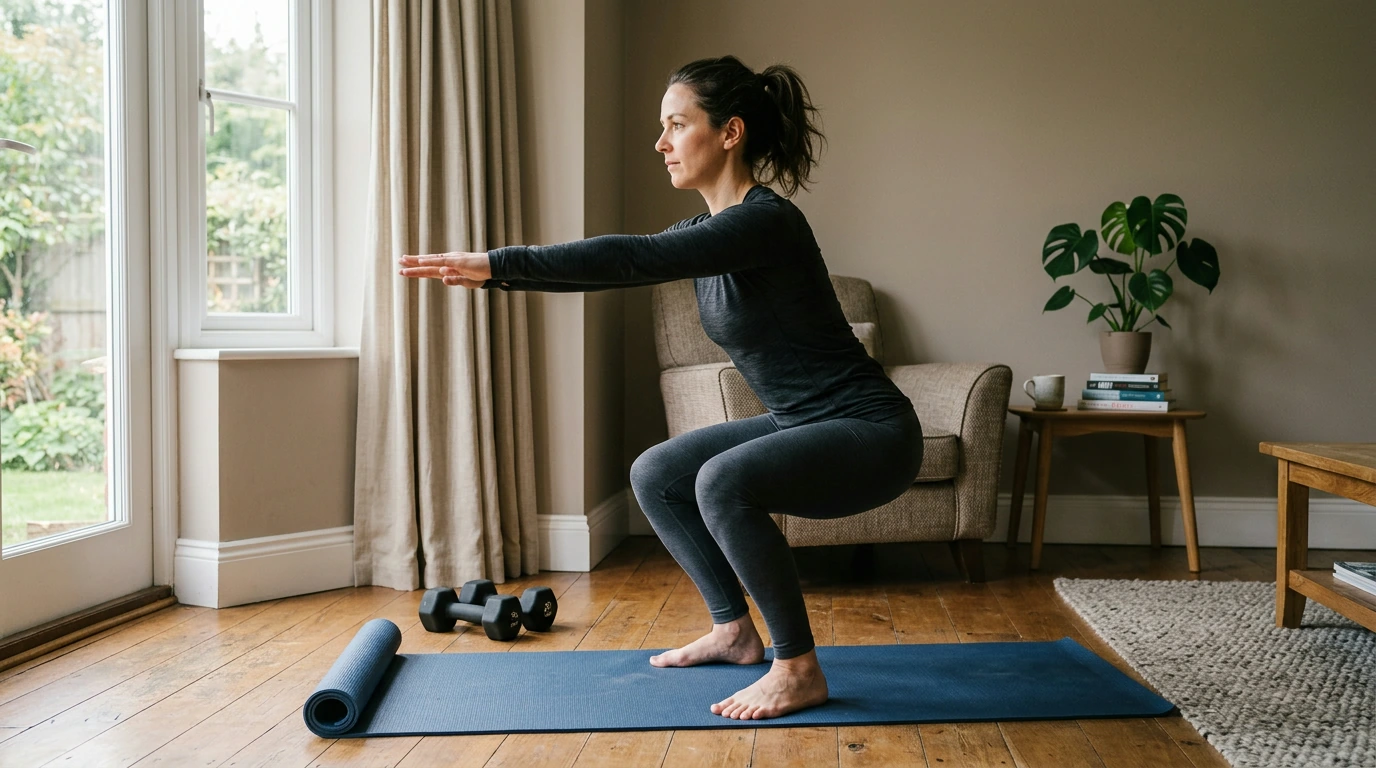
Strength training at home doesn’t have to mean complicated equipment or long workouts. A clear space, a few familiar movements, and a routine you can repeat are enough to get started. Whether you’re new to exercise or returning with experience, you can build a plan around your schedule and adjust it as you grow stronger.
Our guide, Strength Training at Home Made Simple, is an option for beginners through advanced fitness levels. Pair it with the practical ideas below to find a starting point that feels manageable for you.
Start with a plan that fits your life
Consistency is easier when your plan works with your day. Look for two realistic openings in your week, even if each session is short. You might exercise before work, during a lunch break, or while dinner is in the oven. Treat those openings as appointments, but leave room to adjust when life gets busy.
Our Strength Training at Home Made Simple guide is available for $7.99. It’s designed for a range of fitness levels, so you can approach home workouts from a starting point that suits your experience.
Choose that starting point based on what you can do with control, not on someone else’s routine. If you’re unfamiliar with a movement, begin with an easier version. If you already train regularly, use a challenge that fits your current ability rather than jumping straight to your hardest option.
Build a balanced home routine
A useful routine includes several movement patterns. Squatting involves bending your hips and knees, as you do when sitting down. Hinging sends your hips back while keeping your torso controlled. Pushing and pulling work your upper body in different directions, while core stability helps you maintain a steady position as you move.
For a pulling movement, you could use a resistance band for a controlled row if you have one and a secure way to use it. Start with bodyweight movements where practical, then add resistance when the movement feels comfortable and you’re ready for more challenge.
| Movement | Beginner example | More challenging option |
|---|---|---|
| Squat | Sit-to-stand from a sturdy chair | Controlled bodyweight squat |
| Push | Wall push-up | Floor push-up |
| Hip hinge | Practice a bodyweight hinge | Add a manageable weight |
| Core stability | Short plank from the knees | Full plank |
Start with a manageable number of repetitions for each movement. Move slowly enough to stay in control, and stop the set when your technique begins to slip. A shorter set performed well is more useful than rushing through repetitions you can’t control.
Make progress at your own pace
Try scheduling strength sessions on at least two days per week. The CDC’s adult activity guidance recommends muscle-strengthening activities on two or more days each week. Allow recovery between challenging sessions, especially when you’re working the same muscles.
If you’re a beginner, spend your first few weeks learning how movements feel and making workouts a regular part of your schedule. You don’t need to make every session harder. Repeating an appropriate routine can help you practice and build consistency.
If you’re more experienced, adjust one variable gradually: add a little resistance, try a few more repetitions, or choose a more challenging exercise variation. Keep a simple record of what you did and how it felt. Notes such as “comfortable,” “challenging,” or “ready to progress” can help you plan your next session without relying on memory.
Keep your workouts comfortable and sustainable
Before you start, warm up with a few minutes of easy movement, such as walking around your space and gently practicing the patterns you plan to use. Clear the floor of obstacles, and make sure any chair or equipment you use is stable.
Stop an exercise if it causes pain. If you’re managing an injury, a medical condition, or another concern about exercise, consult a qualified health professional before starting. They can help you decide which movements and adjustments are appropriate for you.
Adapt your routine to your abilities and the time you have. A brief session with a few controlled movements can keep your habit going on a busy day; you can return to a longer session when your schedule allows.
Find your next step
A repeatable routine, gradual progression, and time to recover can make home strength training more sustainable. Explore our Strength Training at Home Made Simple guide when you’re ready to plan your next workout.
If you’re also simplifying your personal care routine, we offer Choosing the Right Moisturizer for Your Skin as a separate guide to explore.
Before choosing, compare the product details with your daily routine, available space, care needs, and preferred setup. The strongest option is usually the one that fits the intended use clearly and remains simple to clean, store, and check before repeat use.
FAQ
Can beginners start strength training at home?
Yes. Begin with manageable bodyweight movements, focus on controlled technique, and increase difficulty gradually.
How often should I do strength training?
Adults are generally advised to do muscle-strengthening activities at least two days per week. Allow time for recovery and adapt your schedule to your needs.
Do I need equipment to start?
No. Bodyweight movements can be a starting point, and you can add equipment when appropriate for progression.
Recommended for you


Diadora Men’s Faux Leather Sneakers: Style and Care
Nov 10, 2026
Easy Ways to Memorize Zodiac Symbols: A Simple Guide
Nov 11, 2026


Leave a comment